 注: 建议图片大小150px*50px

丨
English
注: 建议图片大小150px*50px Views: 0 Author: Site Editor Publish Time: 2026-09-11 Origin: Site


Material choice directly dictates the lifespan of your product. Specify the wrong metal, and you are looking at rapid structural failure, compromised internal electronics, and ultimately, a blown project budget. Every day, product designers and field engineers grapple with a classic dilemma. They must choose between aluminum and steel for their next custom metal enclosure.
While both alloys offer robust protection for sensitive machinery, their physical properties and manufacturing behaviors differ wildly on the factory floor. In this engineering guide, we break down the precise technical differences between these two heavyweight champions of fabrication. Our goal is to help you bypass the guesswork and make a data-driven, commercially viable decision for your next deployment.
Weight vs. Thermal Dynamics: Aluminum weighs approximately one-third as much as stainless steel. It also boasts superior thermal conductivity, making it an excellent passive heat sink for high-load electronics.
Yield Strength & Durability: Stainless steel (specifically 304 and 316 grades) delivers exceptional structural integrity. It thrives in harsh outdoor environments or corrosive industrial facilities where impact resistance is non-negotiable.
Commercial Impact: Aluminum requires a lower initial investment for raw materials and CNC machining. In contrast, stainless steel represents a premium upfront cost engineered to maximize lifecycle longevity and reduce long-term maintenance.
Fabrication Realities: Due to a lower yield strength, aluminum bends, cuts, and welds faster, significantly shrinking manufacturing lead times.
The Engineering Verdict: Material selection should hinge entirely on your specific deployment environment, thermal load requirements, and baseline mechanical stress tests.
Selecting the right alloy is the foundational step in engineering any reliable physical housing. When you design a protective chassis, the metal you choose dictates field performance. But equally important, it dictates the entire manufacturing workflow. Engineers must evaluate materials based on empirical data—weighing tensile strength against thermal dynamics and environmental reactivity.
So, what happens when you move from the CAD model to the factory floor? The physical characteristics of the metal govern every stage of production. For instance, highly reflective materials require specialized fiber laser frequencies during the cutting phase. This prevents back-reflection from damaging expensive optical lenses. Moving over to the press brake, a material's yield strength determines the required bending tonnage. We must precisely calculate the K-factor to ensure accurate bend radii without micro-cracking the substrate.
Welding techniques also shift dramatically. Softer metals like aluminum warp easily under intense heat, necessitating specialized AC pulse-TIG welding. Harder ferrous metals demand distinct shielding gases to prevent oxidation along the weld seam. Finally, your finishing process—whether that is powder coating, anodizing, or chemical passivation—relies entirely on the base metal's unique molecular composition.
When engineering industrial housings, two primary categories dominate the market. The first is 5052-H32 Aluminum. This grade is widely recognized as the industry standard due to its excellent workability, +/- 0.1mm machining tolerance capabilities, and natural resistance to atmospheric moisture.
The second category encompasses 304 and 316 Stainless Steel. Grade 304 contains 18% chromium and 8% nickel, yielding strong general corrosion resistance. Grade 316 takes that chemical protection a step further. By adding 2% molybdenum, it drastically improves defense against chloride attacks, marine salt spray, and harsh industrial solvents.
An aluminum enclosure is frequently specified in sectors where shedding weight and managing thermal loads are critical engineering priorities. This metal offers a compelling blend of physical traits, making it highly adaptable for modern smart-city and telecom infrastructure.
Lightweight Characteristics: Boasting a density of roughly 2.7 g/cm³, aluminum is exceptionally light. This dramatically reduces shipping logistics costs and simplifies the physical installation of wall-mounted, pole-mounted, or mobile units.
Thermal Conductivity: With a thermal conductivity ranging from 130 to 237 W/m·K, this metal acts as a highly efficient natural heat sink. We frequently specify aluminum to draw thermal energy away from sensitive internal electronics, often eliminating the need for bulky, failure-prone active cooling fans.
Natural Corrosion Resistance: The moment bare aluminum is exposed to oxygen, it instantly forms a microscopic, dense oxide layer. This passivation layer halts further oxidation, offering robust, maintenance-free protection in standard environments.
EMI/RFI Shielding: Aluminum provides excellent inherent shielding against Electromagnetic Interference (EMI) and Radio Frequency Interference (RFI). This ensures pristine signal integrity for internal communications hardware.
Despite its incredible versatility, aluminum presents a lower tensile and yield strength compared to ferrous alloys. Consequently, it is much more susceptible to denting, scratching, or deformation if subjected to heavy mechanical impacts. If you place it in highly alkaline or acidic environments without proper surface treatments (like a heavy-duty powder coat), that protective oxide layer breaks down, triggering rapid galvanic corrosion.
Because of its specific thermal and physical profile, aluminum remains the go-to material for 5G telecommunications infrastructure, aerospace instrumentation, EV charging stations, and climate-controlled IT server rooms.
Representing the upper echelon of industrial protection, a stainless steel enclosure is engineered for the most unforgiving environments on earth. These units prioritize raw structural muscle and uncompromising chemical resistance over any weight-saving considerations.
Ultimate Durability: Exhibiting a high tensile strength that frequently exceeds 500 MPa, stainless steel delivers exceptional impact resistance. It can absorb significant mechanical abuse—such as accidental forklift bumps on a busy warehouse floor—without structural failure.
Extreme Corrosion Resistance: The defining trait of stainless steel lies in its chromium oxide passive layer. Grade 316, often dubbed "marine-grade," is specifically alloyed to shrug off continuous exposure to coastal salt spray, industrial solvents, and caustic chemicals.
Hygiene & Maintenance: Featuring a highly smooth, non-porous surface, this metal refuses to harbor bacteria or pathogens. It easily withstands aggressive, high-temperature chemical wash-downs, establishing it as the gold standard for sanitary applications.
The most prominent drawback is its sheer mass. With a density of roughly 8.0 g/cm³, handling and mounting these heavy units complicates logistics. You will almost always require reinforced mounting hardware. In addition, the material's inherent hardness accelerates tool wear during CNC punching and laser cutting, which inevitably drives up manufacturing costs. Finally, its poor thermal conductivity (around 15 W/m·K) means it tends to trap heat internally, often requiring the integration of active ventilation systems or heat exchangers.
Stainless steel is strictly mandated for automated food and beverage processing plants, offshore marine applications, sterile biopharmaceutical facilities, and heavy-duty outdoor controls exposed to brutal weather patterns.
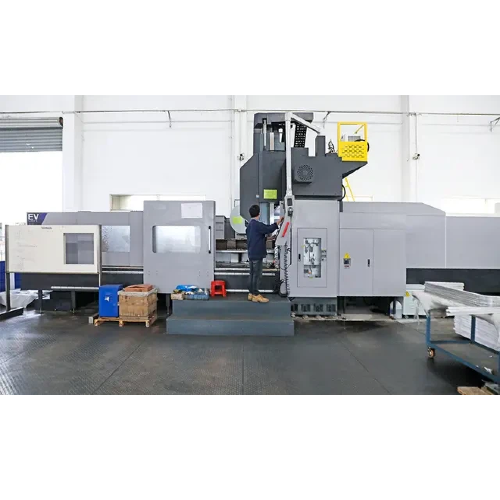
To facilitate a truly data-driven engineering decision, we must analyze how these two materials perform under identical operational stress. Choosing between them requires a careful balancing act: weighing long-term environmental survival against upfront budgetary realities.
Looking at the broader manufacturing landscape, recent industry trends indicate a massive shift toward lightweighting. The rapid expansion of EV (Electric Vehicle) charging infrastructure and smart-city IoT networks has driven a significant surge in aluminum usage. Engineers are prioritizing passive cooling and ease of installation in urban environments.
Conversely, the tightening of FDA and global hygiene regulations in automated food processing and biopharmaceuticals has cemented stainless steel as the non-negotiable standard. Facilities are implementing harsher, automated chemical wash-downs (CIP/SIP systems), rendering softer metals completely obsolete in these highly regulated sectors.
| Performance Metric | 5052-H32 Aluminum | 304 / 316 Stainless Steel |
|---|---|---|
| Density (Weight) | ~2.7 g/cm³ (Lightweight) | ~8.0 g/cm³ (Heavy duty) |
| Thermal Conductivity | 130 - 237 W/m·K (Excellent heat sink) | ~15 W/m·K (Traps heat internally) |
| Tensile Strength | ~193 MPa (Moderate impact resistance) | 500 - 600+ MPa (Extreme impact resistance) |
| Corrosion Resistance | High in standard environments; poor against heavy chlorides. | Superior; Grade 316 resists marine salt and harsh acids. |
| Machining & Fabrication | Highly ductile, fast cutting, extends CNC tool life. | Work-hardens quickly, requires high-tonnage press brakes. |
From a purely financial standpoint, aluminum is generally more cost-effective. The raw metal costs less by volume. Furthermore, its highly ductile nature ensures faster processing times and less wear on factory equipment. Stainless steel demands a significantly higher upfront capital investment.
Nevertheless, engineering teams must evaluate the Total Cost of Ownership (TCO). Deploying a cheaper aluminum chassis in a highly corrosive environment guarantees premature failure. This leads to devastating equipment damage and operational downtime. In harsh settings, the premium price tag of stainless steel acts as an insurance policy, guaranteeing a positive long-term return on investment.
When specifying materials, the physical environment where the unit will ultimately live is the ultimate deciding factor. You must rigorously evaluate ambient conditions, potential chemical exposure, and volatile weather variables to ensure internal components survive their intended lifecycle.
Outdoor deployments subject metal structures to a relentless combination of ultraviolet (UV) radiation, wild temperature fluctuations, driving precipitation, and airborne particulates. When deploying equipment in coastal regions or areas with high road-salt usage, a 316 stainless steel housing is the engineering standard. The molybdenum prevents chloride-induced pitting, justifying the higher initial cost by preventing catastrophic structural collapse.
Alternatively, 5052 aluminum proves highly effective for standard outdoor applications located far from heavy salt or acidic exposure. When treated with a high-quality, UV-resistant powder coat and sealed to IP65 or IP67 standards, it can survive decades of outdoor use—provided it avoids severe physical impacts.
Indoor environments typically present fewer atmospheric threats. This shifts the engineering focus toward thermal management, aesthetic integration, and industry-specific hygiene protocols.
For indoor IT infrastructure and telecommunications hubs, aluminum is the preferred choice. Its high thermal conductivity allows the entire chassis to pull heat away from densely packed server arrays. Plus, the lightweight nature makes drywall or rack-mounted installations a breeze.
However, "indoor" does not automatically mean "safe." In specialized environments like food processing plants or medical labs, stainless steel becomes mandatory. The smooth, non-porous surface of 304 or 316 stainless prevents bacterial ingress and withstands aggressive cleaning agents without flinching.
Selecting the optimal material requires a systematic, objective approach. By filtering your project requirements through the following decision matrix, you can eliminate guesswork and specify a material that perfectly balances performance with your budget.
Step One: Assess the Environment and Ingress Protection. Identify the specific atmospheric conditions the unit will face. If the installation site is highly corrosive, continuously wet, or subjected to caustic wash-downs, default immediately to stainless steel. If the environment is dry, climate-controlled, or strictly standard outdoor, aluminum will suffice. Always map this to your required IP (Ingress Protection) or NEMA ratings.
Step Two: Determine Thermal Loads. Evaluate the heat output of the internal components. High-performance computing equipment, inverters, and power distribution units generate intense thermal loads. Aluminum offers superior thermal dissipation. If stainless steel is environmentally required but heat remains an issue, you must factor in the cost of integrating active cooling systems into your sheet metal cabinet.
Step Three: Evaluate Weight Restrictions. Consider exactly how and where the unit will be installed. A chassis designed for pole-mounting must adhere to strict weight limits to prevent structural sheer. Because aluminum is approximately one-third the weight of steel, it significantly reduces structural strain and lowers transportation costs.
Step Four: Consider EMI/RFI Shielding Needs. Electromagnetic Interference can easily disrupt sensitive electronics. While both metals provide a baseline of shielding, aluminum's higher electrical conductivity frequently makes it more effective at attenuating high-frequency interference, acting as an excellent Faraday cage.
Step Five: Analyze the Budget vs. Lifecycle. Material selection directly impacts both upfront manufacturing costs and long-term maintenance expenses. Aluminum boasts lower raw material costs and requires less tooling wear during machining. Stainless steel represents a premium upfront investment but pays massive dividends in harsh environments by eliminating the need for frequent replacement.
Identifying the correct metal is merely half the engineering equation. The execution of the fabrication process dictates the final quality, dimensional tolerance, and field performance of the product. High-level fabrication demands state-of-the-art CNC machining, precise press brake bending, and expert metallurgical knowledge.
Different metals behave uniquely under manufacturing stress. Aluminum is faster to cut and bend but requires highly specific welding techniques to prevent burn-through. Stainless steel, characterized by its high yield strength, requires robust machinery with massive tonnage capacities to bend accurately, alongside specialized TIG welding to maintain its anti-corrosive properties at the seams.
This is precisely why selecting a competent enclosure manufacturer is a critical supply chain decision. A premier facility equipped with precision engineering capabilities can seamlessly manage the distinct behavioral properties of both 5052 aluminum and 304/316 stainless steel. By partnering with dedicated manufacturing experts, engineering teams gain access to custom rapid prototyping, tight-tolerance machining (up to +/- 0.1mm), and scalable production runs. This ensures the theoretical benefits of your chosen material are fully realized in the final, field-ready product.
In the ongoing engineering debate between aluminum and stainless steel, neither material is universally superior. The correct choice is entirely dependent on finding the exact intersection between your project's environmental demands, thermal management needs, and budgetary realities.
Aluminum stands out as the optimal choice for projects requiring lightweight infrastructure, high thermal dissipation, and cost-effective scalability. Conversely, stainless steel remains the undisputed champion for raw structural strength, extreme impact resistance, and survival in the most highly corrosive environments on earth.
Eliminate the guesswork from your material specification process. Carefully evaluate your operational environment, analyze your thermal loads, and partner with a proven manufacturing team to engineer a housing that guarantees the long-term reliability of your internal equipment. To explore advanced fabrication capabilities and find the exact material specifications for your project, visit DNC CNC Sheet Metal at https://www.dncncsheetmetal.com today.
Generally, aluminum is cheaper regarding both raw material costs and fabrication expenses. Because aluminum is a softer metal, it is easier to machine, cut, and bend. This reduces tooling wear and decreases the total labor hours required during the fabrication process, resulting in a more cost-effective final product compared to stainless steel.
Aluminum does not rust because it contains no iron. However, it can corrode or oxidize when exposed to highly acidic or basic environments. Fortunately, aluminum naturally forms a microscopic oxide layer on its surface when exposed to air. This layer is highly stable and actually protects the underlying metal from further degradation.
Aluminum is significantly better at dissipating heat than stainless steel. Its high thermal conductivity allows it to absorb and transfer heat away from internal components efficiently. This makes aluminum the preferred choice for electronic housings that contain heat-generating components, acting as a natural, passive heat sink.
Yes, both materials readily accept powder coating. Powder coating aluminum is a standard industry practice to enhance aesthetics and provide an extra layer of environmental protection. Stainless steel can also be powder coated or painted; however, it is frequently left bare because its natural surface already provides optimal, heavy-duty protection against corrosion.
Grade 316 stainless steel is the premier choice for harsh outdoor environments. Unlike grade 304, grade 316 contains molybdenum, an alloying agent that drastically increases the metal's resistance to pitting and crevice corrosion. This makes it highly resilient in coastal areas with salt spray or in industrial zones with heavy chemical exposure.
Material thickness (gauge) directly affects the structural rigidity, weight, and cost of the enclosure. For aluminum, engineers often specify a slightly thicker gauge (e.g., 2mm to 3mm) to compensate for its lower yield strength, ensuring it can withstand moderate impacts. Because stainless steel is inherently stronger, you can often use a thinner gauge (e.g., 1.2mm to 1.5mm) while achieving superior structural integrity, though it will still weigh significantly more than the thicker aluminum.
While aluminum has excellent natural corrosion resistance in standard environments, it is generally not recommended for direct, unprotected marine exposure. Constant contact with high-salinity seawater and coastal salt spray will eventually break down aluminum's oxide layer, leading to pitting and galvanic corrosion. If you must use aluminum near the coast for weight reasons, it requires a heavy-duty, marine-grade powder coating or specialized anodizing. Otherwise, 316L stainless steel is the undisputed standard for marine applications.


