 注: 建议图片大小150px*50px

丨
English
注: 建议图片大小150px*50px Views: 0 Author: Site Editor Publish Time: 2026-09-13 Origin: Site


Walk onto any modern fabrication floor, and you will likely witness a familiar battle. Manufacturing engineers and floor operators are constantly fighting warped thin metals, inconsistent bead profiles, and mounting scrap piles. The debate between traditional Gas Tungsten Arc Welding (GTAW) and modern photon-based technology continues to echo across the industry. Choosing the wrong joining method does not just waste valuable production time; it permanently ruins expensive, tightly toleranced parts. In this comprehensive engineering guide, we break down which technique actually fits your specific manufacturing requirements.
Heat Control is the Deciding Factor: Laser processing offers a microscopic Heat-Affected Zone (HAZ). This makes it the optimal choice for thin, highly cosmetic joints without the risk of thermal distortion.
Cycle Time vs. Capital Setup: Optical beam processing is up to 5 to 10 times faster than traditional manual arcs. However, the initial equipment investment is significantly higher, meaning your Return on Investment (ROI) depends heavily on production volume.
Structural Versatility: Traditional arc methods remain the undisputed standard for heavy-duty structural frames. They are also essential for bridging larger gaps where upstream part fit-up is less than perfect.
Automation and Scalability: Robotic photon technology is revolutionizing high-volume production lines. Conversely, manual arc methods remain a necessity for low-volume, highly complex, or custom bespoke manufacturing runs.
Strategic Outsourcing: Partnering with a fully equipped fabrication facility allows OEMs to leverage both technologies efficiently, entirely avoiding massive internal capital expenditures.
In high-end manufacturing, "precision" is not a marketing buzzword. It is a strictly measurable standard. Advanced fabrication requires adhering to tight geometric tolerances—often down to ±0.05mm—while maintaining flawless aesthetic requirements and uncompromising structural integrity. When components are designed for aerospace fluid systems, medical devices, or sensitive electronics enclosures, a deviation of even a few thousandths of an inch can lead to catastrophic assembly failure.
Typically, joining occurs during the post-stamping or post-cutting phase. Once flat metal sheets are processed through CNC punching or optical cutting, and subsequently formed via press brakes, they must be seamlessly integrated. This critical phase is where the true challenge of a reliable sheet metal assembly begins. Thin-gauge metals, particularly those under 3mm, present unique metallurgical hurdles. Standard MIG (Metal Inert Gas) processing is exceptionally fast for heavy steel plates but falls painfully short here. It introduces excessive thermal energy, leading to common shop-floor nightmares such as burn-through, severe warping (often called "oil-canning"), and permanent carbide discoloration.
Recent market analyses reveal a significant shift in current manufacturing paradigms. As sectors like electric vehicle (EV) battery production, micro-electronics, and green energy demand lighter, thinner, and more conductive materials, the reliance on traditional arc welding is being heavily scrutinized. The industry is moving rapidly toward miniaturization and lightweighting.
Consequently, procurement teams and design engineers are increasingly prioritizing thermal management and cosmetic finish over raw, brute-force joint strength when sourcing vendors. The demand for low-heat-input joining has skyrocketed. Because of these evolving design limitations, decision-makers consistently narrow their choices down to two primary contenders for precision work: TIG and Laser.
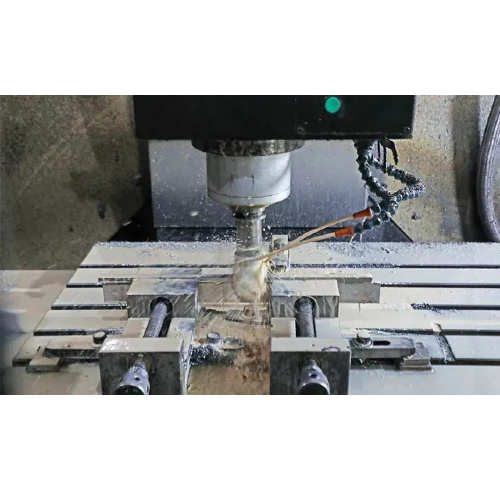
Step onto any traditional fabrication floor, and the familiar hum of a GTAW machine is ubiquitous. Gas Tungsten Arc Welding utilizes a non-consumable tungsten electrode to deliver electric current to the arc. The molten pool is shielded from atmospheric contamination by an inert gas, typically 100% argon or an argon-helium mix. Unlike standard wire-feed processes, the operator manually feeds a filler rod (such as ER308L for stainless steel) into the puddle. This action requires a high degree of bilateral coordination and years of muscle memory.
The primary advantage of this traditional method lies in its exceptional, tactile control. Highly skilled operators manipulate the amperage via a foot pedal in real-time. This allows for micro-adjustments to the heat input and the weld puddle as the base metal's temperature fluctuates. Furthermore, it offers excellent gap forgiveness. In real-world manufacturing, stamped or folded parts do not always align with microscopic perfection. The operator can manipulate the filler metal to bridge slight gaps, salvaging parts that might otherwise end up in the scrap bin. Because of this deep penetration and adaptability, this method has a proven track record for producing the high-strength welded structural parts required in the aerospace, automotive, and heavy defense sectors.
Despite its proven reliability, the process has distinct disadvantages when applied to thin-gauge materials. It relies on electrical resistance and an open arc, which inherently generates a massive, radiating heat profile. This high thermal input leads to a larger HAZ, significantly increasing the risk of buckling on thin sheets. Additionally, it is notoriously slow. Processing speed is strictly limited by human capability, relying heavily on skilled—and increasingly expensive—labor. Finally, cosmetic parts usually require extensive post-weld grinding, blending, and chemical polishing to achieve a seamless finish. This adds massive downstream labor costs and extends lead times.
Laser Beam Welding (LBW) represents a massive, disruptive leap in joining technology. It uses a highly concentrated, solid-state photon beam—often delivered via flexible fiber optics from a 1500W to 3000W power source—to melt and fuse metals together. Because the energy density is so incredibly high, the targeted metal reaches its keyhole melting threshold almost instantly. This operation is frequently autogenous. In other words, it is performed without the need for any filler wire, directly fusing the base materials to one another at a molecular level.
When evaluating a modern laser welding service, the most striking benefit is the microscopic Heat-Affected Zone. Because the energy is highly localized and moves incredibly fast, the surrounding metal barely has time to absorb any residual heat. This thermal efficiency makes it the ultimate solution for micro-welding and thin metals (typically 0.5mm to 4mm), virtually eliminating the warping that plagues traditional shops.
Throughput speed is another critical factor. These optical systems can process joints at a rate that drastically reduces cycle times, often completing seams at 1 to 2 meters per minute. Moreover, because the resulting bead is narrow, smooth, and precise, it frequently achieves cosmetic perfection right out of the machine. This eliminates the dusty, noisy, and time-consuming post-weld grinding phase.
However, this cutting-edge technology is not without its strict prerequisites. The most significant drawback is the absolute necessity for near-perfect part fit-up. Because the beam is incredibly narrow (often just a fraction of a millimeter) and typically uses no filler metal to bridge voids, there is a zero-gap tolerance. If the parts do not touch perfectly, the light will simply pass harmlessly through the gap. Consequently, initial equipment and maintenance costs are extremely high. Strict safety requirements must also be met; the high-intensity light can cause instant retinal damage, necessitating expensive light-tight enclosures and specialized safety eyewear.
To make an informed engineering or purchasing decision, it is crucial to look at how these two technologies compare across key manufacturing metrics on the factory floor.
| Evaluation Criteria | TIG Welding (GTAW) | Laser Beam Welding (LBW) |
|---|---|---|
| Processing Speed | Slow (Typically 5–15 inches per minute) | Exceptionally Fast (Up to 50–100+ inches per minute) |
| Heat Input & HAZ | High heat input; larger Heat-Affected Zone | Minimal heat input; highly localized Heat-Affected Zone |
| Part Fit-Up Tolerance | Forgiving; can easily bridge gaps with filler wire | Strict; requires near-zero gap tolerance for autogenous welds |
| Post-Weld Processing | High (Often requires heavy grinding/polishing) | Low to None (Cosmetically clean bead straight from the machine) |
| Ideal Material Thickness | 0.8mm to 10mm+ (Excellent for thick plates) | 0.2mm to 4mm (Optimal for thin gauge) |
When evaluating high-volume manufacturing, processing speed acts as a primary driver of cost efficiency. Optical technology drastically outperforms traditional arcs in this arena. While a highly skilled operator might achieve travel speeds of 10 inches per minute depending on the material, a continuous-wave fiber system can effortlessly reach speeds exceeding 80 IPM. For a complex chassis requiring hundreds of linear inches of seaming, this reduction in cycle time translates directly to lower per-unit costs.
Specifically, heat management remains arguably the most critical factor in cosmetic fabrication. When joining thin stainless steel enclosures, the radiant heat from an electrical arc causes the metal to expand and contract unevenly. In contrast, the concentrated energy of a photon beam melts the seam and cools so rapidly that the surrounding molecular structure remains entirely undisturbed.
Ultimately, the choice often comes down to upstream fabrication quality. Traditional methods are better for manual assemblies where slight gaps exist due to standard press brake bending tolerances. If your upstream processes cannot hold tight, repeatable tolerances, optical joining will inevitably fail.
The metallurgical properties of your chosen alloy will heavily influence which process yields the best results. Different metals react uniquely to heat, atmospheric oxidation, and rapid cooling rates.
Stainless steel (such as 304 and 316 grades) is notoriously sensitive to thermal saturation. When subjected to prolonged high temperatures, it is prone to carbide precipitation and "sugaring"—a severe, crusty oxidation on the back side of the joint. This degrades both the aesthetic appearance and the vital corrosion resistance of the metal. While back-purging with argon gas mitigates this issue, it adds significant time and expense. Because optical processing inputs only a fraction of the heat, it prevents these metallurgical changes. This makes it the preferred choice for food-grade equipment, medical devices, and cleanroom precision welding where chemical passivity must be strictly maintained.
Furthermore, aluminum presents a completely different set of challenges due to its high thermal conductivity and tough exterior oxide layer. The alumina oxide layer melts at roughly 3,700°F, while the underlying base aluminum melts at just 1,200°F. Traditionally, Alternating Current (AC) GTAW has been the gold standard here. The AC cycle provides a cathodic cleaning action that physically blasts away the oxide layer while simultaneously penetrating the base metal. While continuous-wave beams historically struggled with aluminum's high reflectivity, modern high-peak-power pulsed fiber systems handle thin aluminum (like 5052 or 6061) beautifully. Still, for thick, load-bearing aluminum frames, AC arc processing remains widely preferred for its structural reliability.
For procurement managers and manufacturing engineers, the final decision ultimately comes down to Return on Investment (ROI). Understanding the delicate balance between Capital Expenditure (CapEx) and Operating Expense (OpEx) is vital for long-term profitability.
The barrier to entry for traditional arc equipment is relatively low. A high-quality, industrial-grade setup, complete with water coolers and gas regulators, typically costs around $5,000 to $8,000. In stark contrast, an industrial robotic cell or even a commercial-grade handheld optical welder requires a massive CapEx, ranging from $20,000 to well over $100,000.
However, looking solely at equipment costs ignores current labor market realities. The global manufacturing sector is facing a severe, well-documented shortage of skilled tradespeople. Training an operator to achieve aerospace-quality joints takes years of rigorous practice, and certified tradesmen command premium hourly wages. Handheld optical systems, while expensive to purchase, boast a remarkably shallow learning curve. An entry-level operator can often be trained to produce visually perfect, structurally sound seams on thin gauge material in a matter of days. This drastically reduces long-term labor acquisition and training costs, transforming the OpEx calculations for modern fabrication shops.
Investing in both technologies is cost-prohibitive for many Original Equipment Manufacturers (OEMs). If your facility cannot justify the capital expenditure, outsourcing to a specialized fabrication partner is the most strategic, risk-averse move.
You should seek out a dedicated TIG welding service when your project involves low-volume prototypes, custom bespoke parts, or thicker materials requiring heavy structural frameworks. It is also the necessary fallback when upstream fabrication leaves parts with wider tolerances that must be manually bridged.
Conversely, optical processing is the optimal choice when executing high-volume production runs, ultra-thin joining for battery casings or electronics enclosures, and assemblies demanding flawless cosmetic finishes with zero post-processing. By partnering with a comprehensive facility like DN CNC Sheet Metal that houses state-of-the-art capabilities across the board, procurement teams can ensure the exact right process is applied to each specific part. This optimizes both cost and quality without carrying the capital risk. Evaluate your current project requirements and explore professional fabrication solutions to elevate your next assembly.
A: No. While handheld optical systems are rapidly replacing traditional methods in thin gauge and highly cosmetic applications due to their incredible speed and low thermal input, they cannot fully replace them. Traditional arc processing is still strictly required for heavy structural applications, thick-plate joining, and scenarios where imperfect joint gaps must be filled with a substantial amount of filler metal.
A: Optical beam processing is highly effective for thin aluminum because its concentrated energy minimizes the severe thermal warping that aluminum is highly prone to. However, AC arc processing is often preferred for thicker aluminum structural frames. The alternating current provides an essential cleaning action that breaks up the tough exterior aluminum oxide layer, ensuring a pure, uncontaminated molten pool.
A: Yes, for thin to medium precision applications, these joints are incredibly strong. Because the concentrated light creates a deep, narrow "keyhole," the resulting metallurgical bond often exceeds the tensile strength of the base material itself. That being said, for applications requiring deep, wide penetration on very thick steel plates, traditional arc or wire-feed methods are generally preferred to ensure adequate fusion throughout the entire joint thickness.
A: Often, yes. This modern technology requires much tighter tolerances and near-zero gaps between mating parts. If you are transitioning away from manual arc methods, your upstream processes—such as CNC cutting, punching, and press brake bending—must be highly accurate. If your current design relies on an operator to manually fill large gaps with wire during assembly, the CAD models and flat patterns will need to be refined to utilize the new technology effectively.
A: Standard handheld laser systems (1500W to 3000W) typically excel at welding materials up to 4mm (approx. 0.15 inches) thick in a single pass. Specialized, high-power automated lasers can penetrate deeper, but they become cost-prohibitive for standard sheet metal shops. TIG, on the other hand, can easily weld materials exceeding 10mm (0.4 inches) by utilizing multiple passes and adding substantial filler rod, making it the go-to for thick plates.
A: Yes, despite being a photon-based process, laser welding still requires a shielding gas to protect the molten weld pool from atmospheric contamination and oxidation. Nitrogen or Argon is commonly used depending on the material (Nitrogen is often preferred for stainless steel to maintain a bright finish, while Argon is used for aluminum). However, the gas flow rate is generally lower than what is required for a traditional TIG setup.


